
Alexis Culhane, MS, RDN, LD
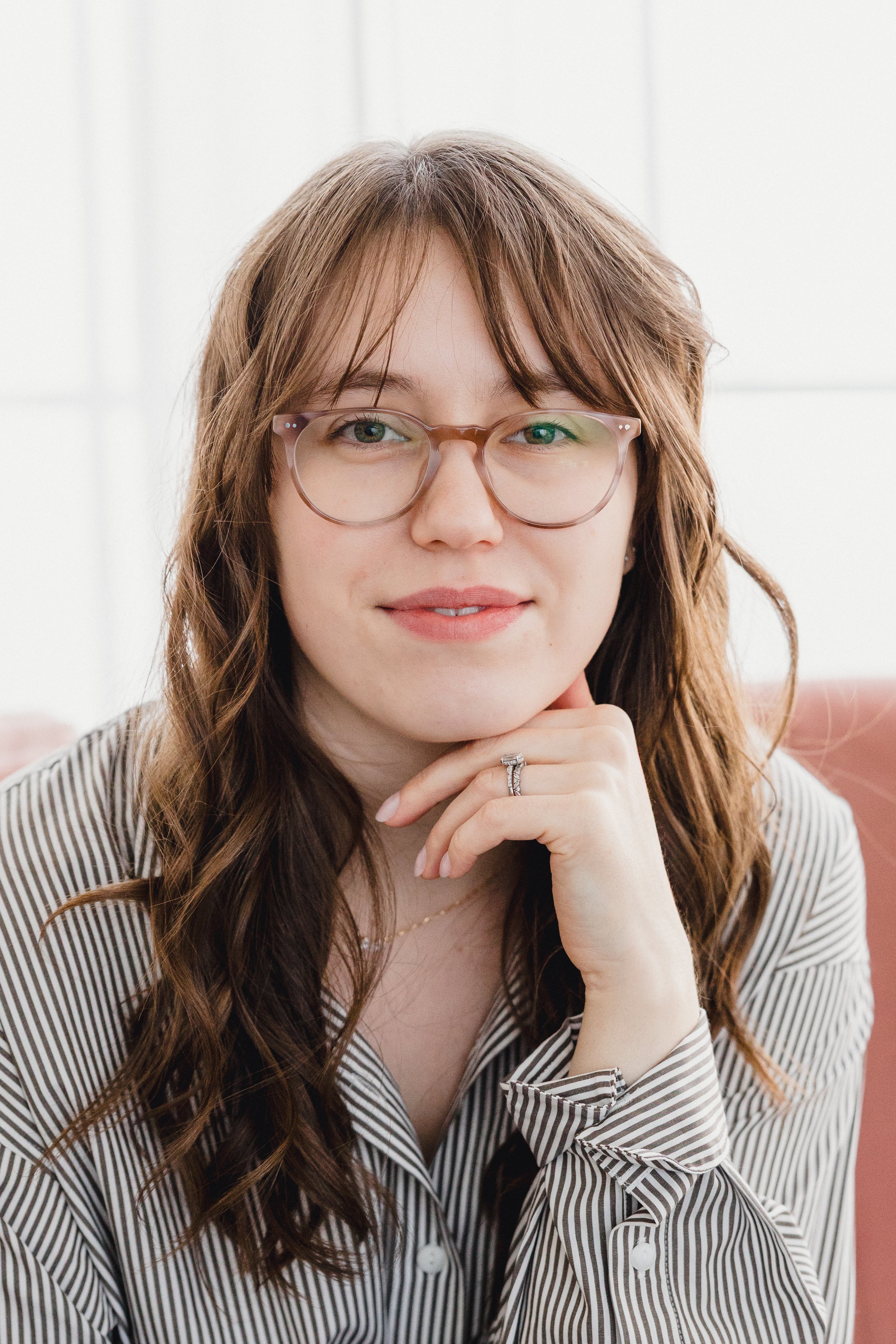
About
Pronouns: she/her
Occupation and Specialty: Dietitian (specialties: intuitive eating and body trust, perinatal nutrition (fertility, pregnancy, postpartum), PCOS (PMOS) nutrition, eating disorders / disordered eating, OCD and food-related fear (including ERP for food exposures), ADHD and neurodivergent-affirming nutrition counseling, chronic health conditions (including gastrointestinal nutrition)
Location (Clinic/hospital): Mindfully Guided, LLC
Location (City): I provide virtual nutrition counseling services. I am Licensed in Minnesota and several additional states.
Offers Telehealth: Yes
Contact Information: www.mindfullyguided.com (website), alexis@mindfullyguided.com (email)
Bio: I'm Alexis (she/her), MS, RDN, LDN — Registered Dietitian, Certified Body Trust® Provider, and founder of Mindfully Guided, LLC. I provide virtual, weight-neutral nutrition counseling rooted in Intuitive Eating, Body Trust®, and trauma-informed care for people who feel stuck, overwhelmed, or disconnected when it comes to food and their bodies. I recognize that food exists within the context of a real life — and real life is often messy. Whether you're overwhelmed by nutrition information, navigating executive functioning challenges, managing a health condition, or simply tired of thinking about food all the time, my goal is to help you build a more peaceful, sustainable relationship with food and your body. I specialize in supporting individuals healing from chronic dieting, disordered eating, eating disorders, and body image concerns, and provide nutrition support for fertility (including IVF and assisted reproductive technologies), pregnancy, postpartum, PCOS (recently renamed PMOS), OCD and food-related fears (ERP-informed approaches, where appropriate), ADHD and neurodivergence, GI conditions, and other chronic health concerns. If you've been looking for nutrition support that truly meets you where you are, I'd love to hear from you. A free Connection Call is a great place to start — it's a chance to talk through what's bringing you in, ask questions, and see if working together feels right.
Approach to care
What does it look like for you to provide care to patients in larger bodies? How is, or isn’t, your approach different from how you care for patients in smaller bodies? If you work with children, how is or isn’t your approach different when working with children?
My approach doesn't change based on body size. Every client I work with, regardless of their body, receives the same weight-neutral, trauma-informed, Intuitive Eating and Body Trust®-aligned care. What does shift is my attention to the additional barriers a client in a larger body may be navigating: medical weight stigma, past harm from providers, fatphobic messaging from family or culture, and the emotional weight of having been told their body is a problem to solve. I hold space for those experiences without assuming they're present, and I never make assumptions about a person's health, habits, or relationship with food based on their size.
What is your perspective on how weight is or is not related to health?
Weight is a poor proxy for health. It doesn't tell us anything reliable about what a person eats, how they move, their metabolic health, or their overall wellbeing — and research increasingly shows that behaviors (like movement, sleep, stress, and access to care) are far better predictors of health outcomes than weight itself. I also recognize that weight stigma — not weight — is independently linked to negative health outcomes. My work centers behaviors and quality of life rather than the number on a scale, because pursuing weight loss as a health strategy is not supported by long-term evidence and often causes harm.
Finish this sentence: “Fat people are…”
Fat people are people. They are deserving of respectful, competent, weight-neutral care, free from assumptions about their health, habits, or worth based on the size of their body.
How do you, your clinic, and the healthcare system you work in use BMI (i.e BMI cutoffs for accessing certain services, BMI on charts and printouts, etc)? Is this flexible?
I do not recognize BMI as a valid measure of health, so I do not use it in my practice. As a private practice dietitian operating independently (not within a larger healthcare system), I'm able to fully opt out of BMI-based assessment, charting, or service cutoffs — there are no BMI-related barriers to accessing my care.
If a patient declines to be weighed, how do you and/or your staff proceed?
I have a virtual practice, so weigh-ins aren't part of my standard care to begin with. The majority of my clients don't need to be weighed, and I support and empower them in that decision. For clients whose eating disorder treatment requires weight monitoring, that monitoring is conducted by another provider on their care team, not by me. If a client declines to be weighed by that provider, I support their right to decline while also being honest with them about why weight monitoring may be clinically important in that context. I'm happy to consult with the rest of the care team about how to support the client through that conversation, and to hold space for whatever comes up emotionally around weighing in ED recovery.
If a patient declines to discuss weight loss, nutrition, and/or exercise, how do you proceed?
We simply talk about something else, whatever feels most relevant to the client that day. Nourishing oneself involves far more than nutrition or movement, so there's plenty to explore. I might get curious with them about what's behind the hesitation, but there's no pressure to go there. We move at the client's pace toward a more peaceful, sustainable relationship with food, movement, and their body.
Do you offer weight loss as a service, and if so, how much of your practice is this? What do you do if a patient requests your assistance with losing weight?
No, I do not offer weight loss as a service. If a client expresses interest in weight loss, we sit with that idea and get curious about where it's coming from. I help clients explore the function weight loss is meant to serve for them, and we work toward the underlying need through approaches that don't require manipulating weight — like Intuitive Eating, gentle nutrition, and rebuilding body trust. If a client is set on pursuing weight loss specifically, I'm honest that I may not be the right fit for them.
What does the physical accessibility of your office space look like? What kinds of accommodations are present for people in larger bodies? Are there things you wish were in place that are currently not?
I have a virtual practice, so my clients connect with me via telehealth rather than an in-person office, which removes many physical accessibility barriers that can come up in traditional clinical spaces. If video calls aren't someone's preference, we can always conduct the session via phone call instead.
What do you do to allow fat people to feel comfortable and welcome in your office?
Since I have a virtual practice, this looks different than an in-person office, but I'm still intentional about it. My intake materials and language are weight-neutral from the start, so clients know what to expect before we meet.
My approach is trauma-informed so we move at the client's pace, and clients remain the expert and decision-maker in their own care. I'm committed to creating a sense of felt safety, which is part of why I offer a free connection call to make sure we're a good fit before diving in.If you’d like to use this space to talk about any identities (gender, race, size, sexuality, etc.) you hold and how this relates to your care, please do so.
I am a cis-het, straight-sized, able-bodied white woman, and I recognize the privilege that comes with these identities. I also bring lived experience with disordered eating and weight stigma, which shapes the empathy and care I bring to this work — I know firsthand how harmful diet culture and weight-focused healthcare can be. At the same time, I hold awareness that my current body size affords me privilege that many of my clients don't have, and I stay curious and humble about experiences I haven't lived, particularly around race, disability, and larger body sizes. I'm committed to ongoing learning so my care reflects more than my own experience of having a body.
Profile last updated July 2026