
Maya Owda, MSW, LGSW
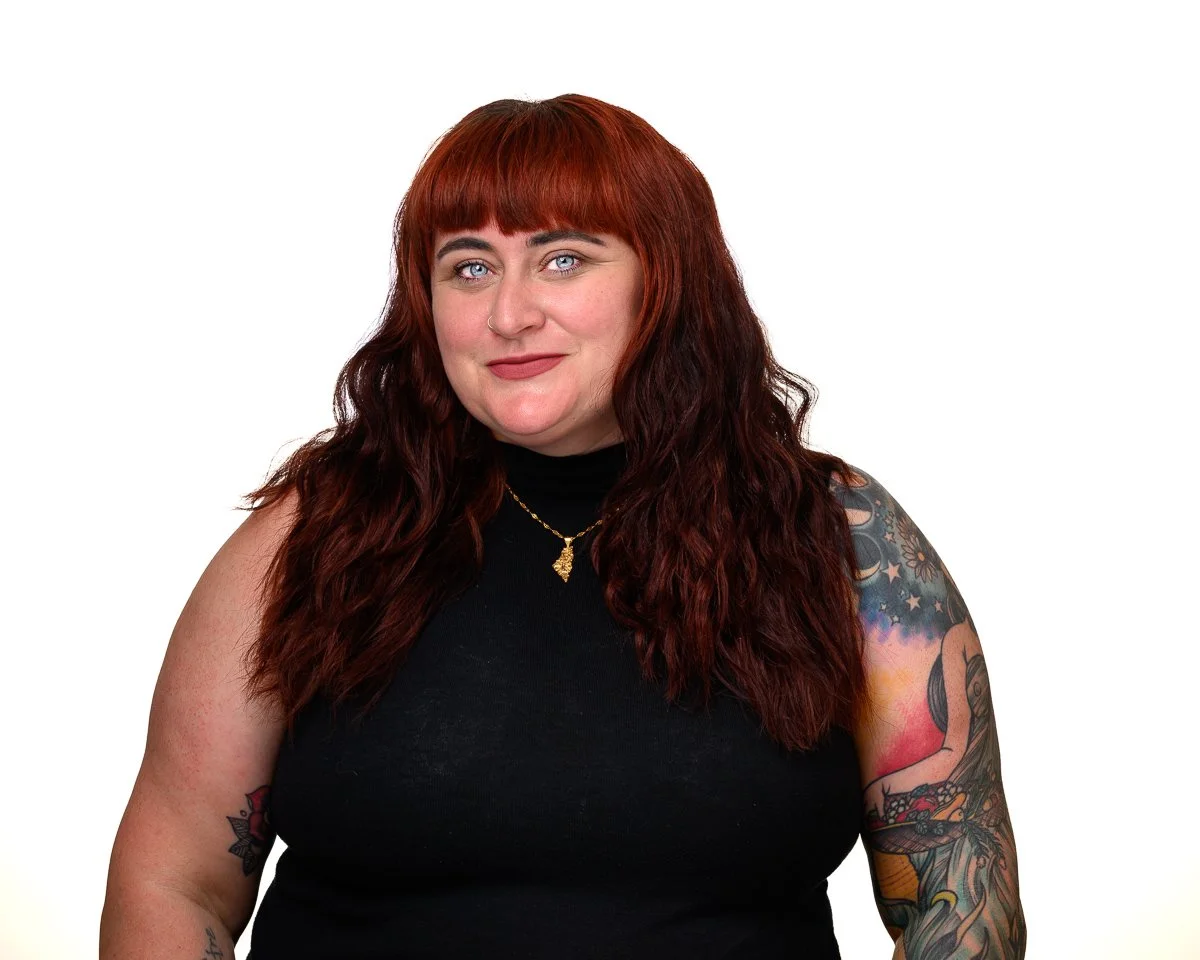
About
Pronouns: she/her
Occupation and Specialty: Psychotherapist
Location (Clinic/hospital): Lynlake Centers for Wellbeing
Location (City): Minneapolis
Offers Telehealth: Yes
Contact Information: https://www.therapy-mn.com/, 612-367-7241, mayaowda@therapy-mn.com, would need to go through our practice application and put my name as a therapist.
Bio: Maya works with pre-teen, teen, and adult populations. Maya is an LGBTQA+ provider who values authenticity, honesty, empathy, and humor in her therapeutic space. She makes an intentional safe space for clients to feel heard and seen. Maya believes that everyone has unique strengths and tools, and it is her job to support clients in learning how to utilize them in their daily lives and relationships. She utilizes a strength-based, body liberation sex-positive, trauma-informed, and harm reduction approach. Maya comes from a holistic, person centered systems approach. She recognizes how someone’s environment, relationships, community, spirituality, and the systems that they interact with affect their emotional and physical wellbeing.
Maya strengthens her practice through a social justice lens that holds her accountable to a continued practice of cultural humility, honoring client perspectives, lived experiences and autonomy. She is committed to an anti-racist practice and believes that this is a lifelong journey of learning, self-reflection and making tangible change in her daily life to dismantle systems of oppression.
Maya has a background working with pre-teens and teens, along with adults and the elder community from various socio-economic, racial, immigrant and refugee backgrounds. Maya’s background was both in a school setting and working with the unhoused and newly housed community. She has worked with folks who are neurodivergent, mood disorders, PTSD, depression, anxiety, personality disorders, substance-use and schizophrenia. In her experience, she has found that what people need is to be validated in their experiences, and support in releasing shame and guilt from their mental health struggles. Maya believes in creating a world that everyone fits in, and supporting clients to find space of healing, joy, resistance, community and becoming their most authentic selves.
Maya is working under the licensed supervision of Leah Bonine, MSW, LICSW while she pursues clinical licensure as a Licensed Individual Clinical Social Worker.
Approach to care
What does it look like for you to provide care to patients in larger bodies? How is, or isn’t, your approach different from how you care for patients in smaller bodies? If you work with children, how is or isn’t your approach different when working with children?
I approach with a fat liberation lens, meeting people where they are at in their body inclusive journey while providing psychoeducation that dismantles anti-fatness in society, their life and internalize negative self talk. If someone is not ready, their body doesn’t feel safe or is just starting deconstructing anti fatness, I work from a neutral lens. I do not generally work with children but I approach it a similar way with youth, providing more psychoeducation and history around fat lib and anti fatness in our society. I like to also provide tools along with fat resources by fat folx (podcasts, books, instagram accounts etc) to encourage ways to incorporate this lens outside of therapy and into their day to day lives.
What is your perspective on how weight is or is not related to health?
Weight has nothing to do with health. A fat person can be healthy as a thin person can be sick. I gently, and sometimes more forwardly depending on the therapeutic relationship, around dismantling the idea that your body size has anything to do with health. I also ALWAYS remind folx that BMI is based on White supremacy and its history in exclusion along with language and resources to bring to medical appointments so folx can get more accurate medical care.
Finish this sentence: “Fat people are…”
people who live in a society who wishes to make them disappear and live in shame.
How do you, your clinic, and the healthcare system you work in use BMI (i.e BMI cutoffs for accessing certain services, BMI on charts and printouts, etc)? Is this flexible?
We have many dieticians that work from the lens of health at every size and get education around that in their services. It is a large practice, so I do not speak for everyone but I am clear with clients that BMI is a made up construct that works to demonize fatness and has no place in medical or therapy spaces unless it is to discuss how it is not real and should be eliminated in medical services. When it comes to clients and medical appointments, I provide resources and language they can take to appointments to fight back against BMI in their services and promote medical providers and gender affirming care that does not use BMI for cutoffs. If, on the chance that a client needs a service (like gender affirming care) and has to work within the systems, I work on how we can approach these concepts in ways that doesn't validate BMI cutoffs but find ways to support clients in taking their power back and reaching their goals in safe ways while boosting their confidence and advocating for themselves.
If a patient declines to be weighed, how do you and/or your staff proceed?
I am a therapist, they would never need to be weighed to see me and I inform clients of their rights to not be weighed in their doctors appointments.
If a patient declines to discuss weight loss, nutrition, and/or exercise, how do you proceed?
I would never push these subjects or have them as a topic if the client wasn't bringing it up themselves. When it comes to exercise and mental health, I go from a "fat and happy" lens that promotes them to move their bodies in the ways that feel comfortable, safe and affirming so they can get the benefits of body movement without the pressure and stigma of working towards any body shape goal. I come from a "how do you feel" place, not how you look and support clients in moving their bodies for mental health. If a client is active, I remind them to not look at body shape goals but internal body feeling goals (ie strength, flexibility, endurance etc) if that is the path they are on and wanting.
Do you offer weight loss as a service, and if so, how much of your practice is this? What do you do if a patient requests your assistance with losing weight?
I do not offer weight loss services. I have had clients who want weight loss, and I let them know that I am not that provider to promote it but can support them in remaining in a mental health lens not a body shape lens in that journey.
What does the physical accessibility of your office space look like? What kinds of accommodations are present for people in larger bodies? Are there things you wish were in place that are currently not?
I am majority telehealth, so clients can meet me in their homes. Otherwise, there are no stairs to get to my office and space for wheelchairs, along with large couch and comfortable chair that fits all sizes. Family Tree Clinic also has accessible doorways and bathrooms on the first floor where I am located. On Wednesdays, the whole building is masked, and can mask during in person therapy appointments if requested by clients.
What do you do to allow fat people to feel comfortable and welcome in your office?
I think it helps that I am a confident fatty and I am very forward in my introductions, profile and therapeutic approach where I come from in how I approach health at every size and fat liberation.
If you’d like to use this space to talk about any identities (gender, race, size, sexuality, etc.) you hold and how this relates to your care, please do so.
I am a fat, queer, anti-Zionist Jewish provider.
Profile last updated April 2026