
Celia McCoy, MA
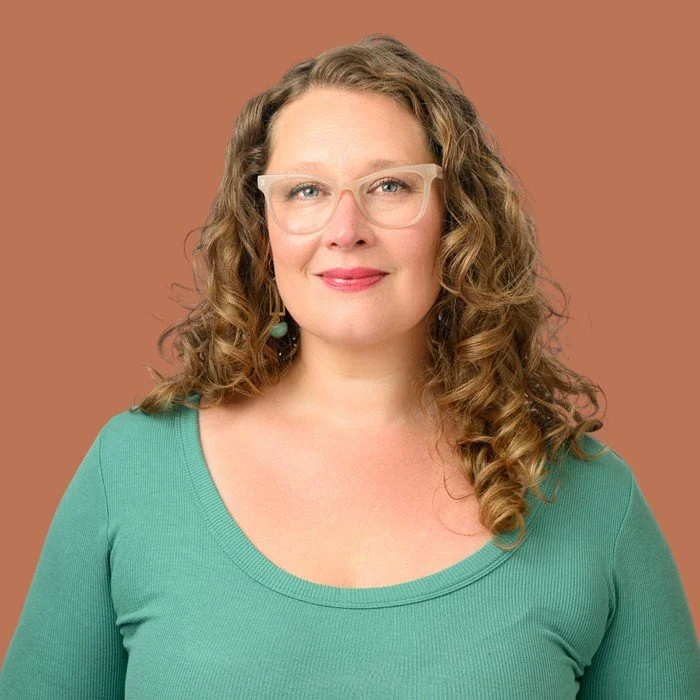
About
Pronouns: she/her
Occupation and Specialty: Pre-licensed psychotherapist, LPCC track
Location (Clinic/hospital): LynLake Centers for Wellbeing
Location (City): Minneapolis
Offers Telehealth: Yes
Contact Information: therapy-mn.com; celia@therapy-mn.com
Bio: Celia takes a holistic approach to therapy, helping you to understand how your past may be impacting your present, while also working with you to find tools and solutions to help you feel better now, and move forward towards the life you want. Celia’s work as a yoga therapist has also taught her how truly interconnected our human system is: our thoughts, emotions, and past experiences often show up in our body and breath. This can leave us feeling tense, tired but wired, irritable, generally uncomfortable in our bodies, and disconnected from ourselves. If appropriate, Celia guides clients in breath work, visualization, and even simple movements to help them feel more grounded. Celia believes that the therapeutic relationship is the foundation for healing and change. She will meet you where you are with warmth, empathy, and care, to support you as you take on the work of healing.
Celia works with adults (18+), providing individual therapy. Areas of interest include folks experiencing stress, anxiety, depression, grief/loss, life transitions, chronic pain and health concerns, trouble with sleep, relationship concerns, and histories of trauma. She understands that who you are in the world deeply impacts you and your lived experiences, and she commits to honor all of your cultural identities. Celia is LGBTQIA+ affirming, neurodivergence-affirming, and practices fat positivity.
Outside of work, Celia spends her time with her family, her dog and cats, knitting, cooking, and singing with a local symphonic chorus. Her experience as an ensemble musician continually reminds her that with human connection, mindful presence, and hard work, transformative experiences are possible.
Celia holds a bachelor’s degree in English literature, women’s studies, and music from the University of Minnesota. Celia completed her MA in Counseling and Psychological Services at Saint Mary’s University of Minnesota and she is working towards LPCC licensure, practicing under the licensed supervision of Christina Rates, LPCC.
Approach to care
What does it look like for you to provide care to patients in larger bodies? How is, or isn’t, your approach different from how you care for patients in smaller bodies? If you work with children, how is or isn’t your approach different when working with children?
I consider systemic factors that may be impacting wellbeing, and promote individual autonomy for all clients, regardless of size. I offer empathetic understanding from my own lived experience as a fat woman to clients in larger bodies.
What is your perspective on how weight is or is not related to health?
I believe that all bodies have the capacity to experience good health and health challenges alike, and that weight is not the determining factor.
Finish this sentence: “Fat people are…”
deserving to be heard, supported, and to live a life of abundance and joy.
How do you, your clinic, and the healthcare system you work in use BMI (i.e BMI cutoffs for accessing certain services, BMI on charts and printouts, etc)? Is this flexible?
N/A
If a patient declines to be weighed, how do you and/or your staff proceed?
N/A
If a patient declines to discuss weight loss, nutrition, and/or exercise, how do you proceed?
Clients are always in charge of what they do and do not wish to discuss or disclose in the therapeutic setting. If something these topics were to arise as an organic part of a therapy session and a client declined to continue that conversational trajectory, I would respect their autonomy.
Do you offer weight loss as a service, and if so, how much of your practice is this? What do you do if a patient requests your assistance with losing weight?
Weightloss services are not a part of psychotherapy. If I client requests to discuss their relationship with their body or weight, and changes that they might wish to make, I will approach that with empathy and curiosity, and assist the client to clarify their goals and motivations, to make values-aligned choices that support their wellbeing.
What does the physical accessibility of your office space look like? What kinds of accommodations are present for people in larger bodies? Are there things you wish were in place that are currently not?
Our building is ADA accessible, and the waiting room and and individual office spaces have couches that can accommodate larger bodies. Not all seating is fat accessible in the building overall, and some chairs in the waiting room are too small to meet the needs of larger bodies.
What do you do to allow fat people to feel comfortable and welcome in your office?
I role model being a confident fat person. I have an inviting and comfortable space with accessible seating, fidgets, and weighted stuffies.
If you’d like to use this space to talk about any identities (gender, race, size, sexuality, etc.) you hold and how this relates to your care, please do so.
I am a cis-het, fat, white woman
Profile last updated October 2026