
Annika Ballantyne, MD
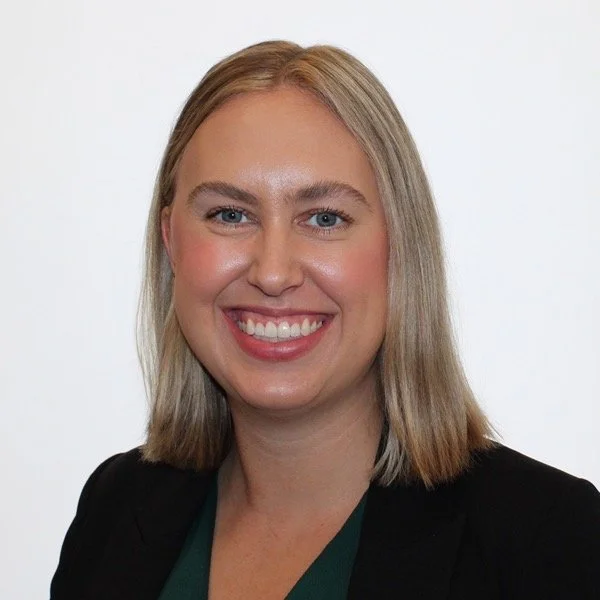
About
Pronouns: she/her
Occupation and Specialty: Family Medicine Resident Physician
Location (Clinic/hospital): M Health Fairview Smiley's Clinic
Location (City): Minneapolis
Offers Telehealth: Yes
Contact Information: 612-333-0770
Bio: I provide full-spectrum primary care for patients of all ages. My medical interests include gender-affirming care, palliative care, reproductive and sexual health, and addiction medicine. I have a passion for healthcare advocacy and working with local legislators on issues directly impacting my patients. Outside of medicine, I enjoy yoga, music, gardening, exploring the Twin Cities food scene, and spending time with my 100lb golden retriever.
Approach to care
What does it look like for you to provide care to patients in larger bodies? How is, or isn’t, your approach different from how you care for patients in smaller bodies? If you work with children, how is or isn’t your approach different when working with children?
I provide trauma-informed care to all of my patients. For people in larger bodies specifically, I am mindful of the ways our healthcare system has historically contributed to weight stigma and made medical settings feel unsafe. I embrace a weight-neutral approach, meaning my care is guided by each patient's health needs rather than body size. I focus on preventing and managing chronic conditions without using weight as a proxy for health. I avoid bringing up weight unless absolutely necessary and always ask permission first.
With pediatric patients, I am especially thoughtful about how I discuss weight and body size. While growth charts are an important part of comprehensive pediatric care, I always ask parents' permission before discussing or reviewing them in front of children. I strive to use neutral, nonjudgmental language and emphasize healthy behaviors and overall well-being rather than weight alone.What is your perspective on how weight is or is not related to health?
The short answer, it’s complicated. I believe that the connection between weight and health is far more nuanced than we’ve been taught. I also believe that capitalism and systemic biases, including racism, sexism, and other forms of discrimination, have played a strong role in influencing the research studies and narratives that have been used to pathologize weight.
Finish this sentence: “Fat people are…”
Worthy of respect, liberation, and access to safe, equitable healthcare
How do you, your clinic, and the healthcare system you work in use BMI (i.e BMI cutoffs for accessing certain services, BMI on charts and printouts, etc)? Is this flexible?
Patients can opt out of weight and BMI being included in after visit summaries. Our system used to automatically include a paragraph on BMI in all of our notes, but recently got rid of this feature. I am not aware of BMI cutoffs directly influencing the care I provide.
If a patient declines to be weighed, how do you and/or your staff proceed?
Our staff always asks permission before weighing patients, and patients are welcome to decline without any repercussions. If a weight measurement feels relevant or important to a patient’s care, I will explain my reasoning, ask for permission, and offer a blind weight if they prefer.
If a patient declines to discuss weight loss, nutrition, and/or exercise, how do you proceed?
I respect the boundary, thank them for sharing, and move on.
Do you offer weight loss as a service, and if so, how much of your practice is this? What do you do if a patient requests your assistance with losing weight?
This is something I have wrestled with immensely during my first year in practice. In medicine, there is often a tension between the ethical principle of "do no harm" and a patient's right to bodily autonomy. If a patient comes to me requesting assistance with losing weight, I first take the time to explore this desire with patients. I ask questions like “what do you hope losing weight will do for you?” Oftentimes, we can find other ways to support a patient’s health without making weight loss the goal. If patients specifically request medications for weight loss, I almost never prescribe them on the first visit. I spend the first visit getting to know more about their health concerns and goals, screening for a history of disordered eating, and having an informed consent discussion regarding the risks and benefits of weight loss medications. If a patient decides they would still like to pursue weight loss through medication, demonstrates capacity to consent, and has no medical contraindications, I will offer a prescription with appropriate follow up and monitoring.
What does the physical accessibility of your office space look like? What kinds of accommodations are present for people in larger bodies? Are there things you wish were in place that are currently not?
The waiting room has a variety of chair sizes, including wider chairs; however, I wish there were more of them. I also wish the exam tables were wider and more comfortable for patients in larger bodies. There is a long bench in the exam room which is overall accommodating to patients in larger bodies. We have a variety of gown sizes and blood pressure cuffs.
What do you do to allow fat people to feel comfortable and welcome in your office?
I use a trauma-informed approach grounded in safety, trust, and collaboration. I only discuss weight when clinically relevant and always ask permission first. I create space for patients in larger bodies to share prior experiences of weight stigma or harm within the medical field, and I am committed to partnering with patients to create a care environment where they feel welcomed, respected, and safe.
If you’d like to use this space to talk about any identities (gender, race, size, sexuality, etc.) you hold and how this relates to your care, please do so.
I am White, cisgender, able/thin-bodied, and from an upper-middle-class background. I recognize that my lived experience is not universal, and I am committed to reflecting on how my privilege and implicit biases influence the care I provide.
Profile last updated July 2026