
Sarah Berge, MA, MDiv
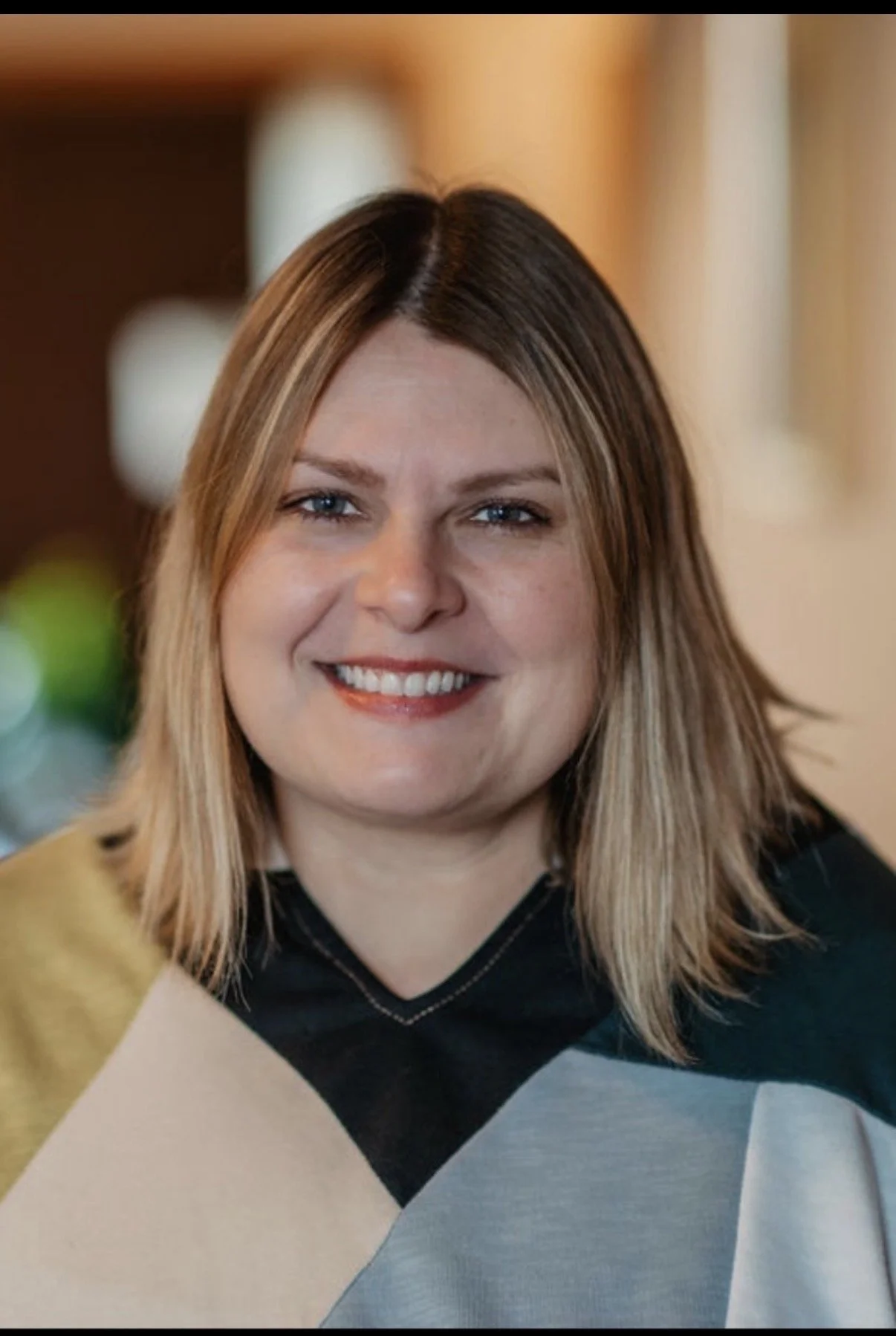
About
Pronouns: she/her
Occupation and Specialty: Therapist, religious trauma and spiritual abuse, somatic experiencing, identity, neurodivergence
Location (Clinic/hospital): NobleTree Therapy, Private Practice/Sliding Fees Available
Location (City): 2303 Wycliff Street, Suite 315, Saint Paul, MN 55114
Offers Telehealth: Yes
Contact Information: sarah@nobletreetherapy.com
www.nobletreetherapy.com
612-314-6080Bio: I provide depth-oriented mental health therapy services. I am certified in somatic experiencing and I specialize in religious trauma and spiritual abuse, ambiguous loss, sexuality, identity development, body acceptance, and care-giving fatigue.
I collaborate with clients to work toward embracing and integrating all parts of themselves with compassion. I work with individuals, couples, ENM, polycule, and families. I am available for sessions in-person and virtually. I offer free 25 minute virtual consultation and sliding fee scale options.
Approach to care
What does it look like for you to provide care to patients in larger bodies? How is, or isn’t, your approach different from how you care for patients in smaller bodies? If you work with children, how is or isn’t your approach different when working with children?
Accessibility is centered and remains central when working with larger bodies. Providing care is about ensuring accessible external factors in order for client’s to greater access their internal selves. My approach is individually personalized and accommodating to each individual’s possible mobility needs whether that’s in-person service needs of accessible parking, elevators, comfortable seating, restrooms, or virtual sessions. I think children (and all people) must be empowered to celebrate visibility, diversity, and inclusion of all bodies and encouraging curiosity, compassion, and consent when talking about our own bodies and noticing other bodies. I think the greatest harm to children is the erasure of bodies and silence of self-expression when adults do not allow children to talk about their observations and experiences of body differences: size, shape, color, race, ethnicity, and gender.
What is your perspective on how weight is or is not related to health?
Weight is not an accurate indicator of one’s physical, emotional, mental, or spiritual health and wellbeing. I do not agree with measuring one’s health based of their weight or BMI.
Finish this sentence: “Fat people are…”
human beings who are leading the way toward fat liberation and inclusion for all.
How do you, your clinic, and the healthcare system you work in use BMI (i.e BMI cutoffs for accessing certain services, BMI on charts and printouts, etc)? Is this flexible?
N/A
If a patient declines to be weighed, how do you and/or your staff proceed?
N/A
If a patient declines to discuss weight loss, nutrition, and/or exercise, how do you proceed?
N/A: Client is the expert on themselves and I follow the client’s lead about what we discuss and when. I would validate the client for verbalizing their boundaries.
Do you offer weight loss as a service, and if so, how much of your practice is this? What do you do if a patient requests your assistance with losing weight?
Weight loss is not the objective of therapeutic services. The weight I typically address is the weight of shame that I assistant them with loosing.
What does the physical accessibility of your office space look like? What kinds of accommodations are present for people in larger bodies? Are there things you wish were in place that are currently not?
Handicap parking and ramp, elevators, comfortable large cushion couch seating, and large individual stall non-gender/family restrooms. The handicap parking needs to be expanded and improved. Building management has been contacted and a resolution has not yet been made
What do you do to allow fat people to feel comfortable and welcome in your office?
I hope being comfortable and embodied in my own fat identity may invite fat people to be more comfortable in their own bodies. I also have different sensory options to assist with client comfort. I also have more than one seating option that fits larger bodies and clients choose where and how they want to sit and position themselves throughout session.
If you’d like to use this space to talk about any identities (gender, race, size, sexuality, etc.) you hold and how this relates to your care, please do so.
I identify as a fat fem neurodivergent queer Euro-American person. I have been lived in an extra large body my whole life. My presentation and embodiment can provide a shared lived experience with other large bodied clients that can be helpful therapy process.
Profile last updated March 2026