
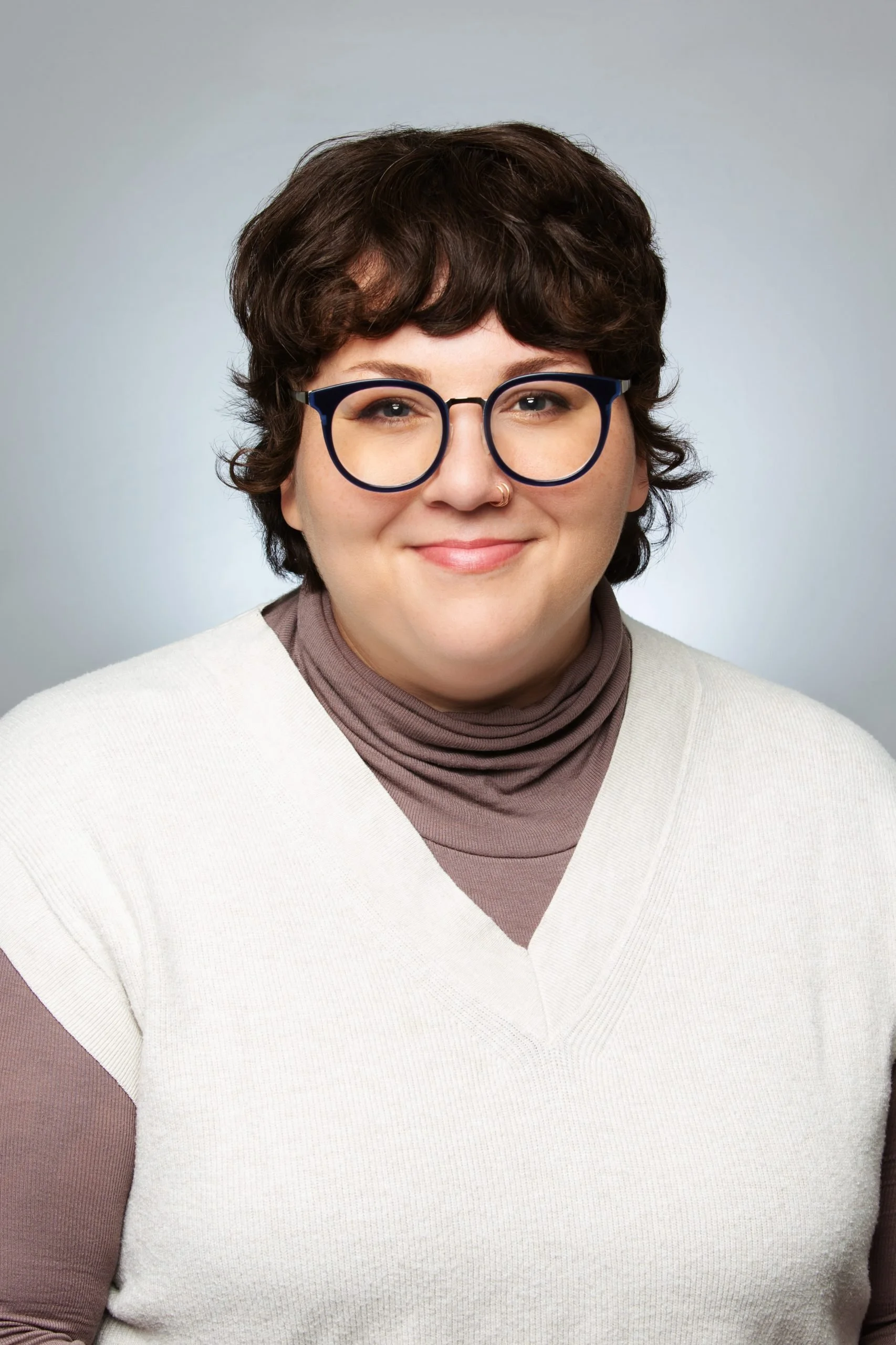
Hannah Bech, MFT
About
Pronouns: She/they
Occupation and Specialty: Psychotherapist
Location (Clinic/hospital): MN Mental Health Consulting
Location (City): Edina
Offers Telehealth: Yes
Contact Information: hannah@mnmentalhealthconsulting.com
Bio: Hello and welcome! My name is Hannah (she/they), and I am so glad you are here. I believe in the power of the therapeutic relationship to help people explore connections between their past and present, navigate and challenge systems of power, and build a uniquely meaningful life. I see both couples and individuals with a variety of mental health concerns. I have a particular interest in working with people with ADHD and members of the LGBTQIA+ community. I provide nonjudgmental, inclusive care, and I am a Health at Every Size (HAES)-aligned provider. My work aims to help you bravely navigate challenges and explore your strengths.
I bring curiosity, warmth, and humor to the therapy space. My therapeutic approach is focused on the interconnectedness of relationships and individual mental health. In addition to my graduate work in marriage and family therapy, I have received training in discernment counseling, play therapy, and perinatal mood and anxiety disorders.
I will meet you with authenticity and humility, and I am honored by the opportunity to walk alongside you as you navigate challenges and embark on self-discovery. This world has many challenges, and I aim to provide a collaborative therapeutic environment that allows you to explore vulnerable emotions and strengthen your power and sense of self.
Approach to care
What does it look like for you to provide care to patients in larger bodies? How is, or isn’t, your approach different from how you care for patients in smaller bodies? If you work with children, how is or isn’t your approach different when working with children?
I approach my work from a compassionate, body liberationist perspective. I am conscious of the structural and social influences that discriminate against clients in larger bodies, which can alienate them from seeking healthcare. I celebrate the bravery it takes for larger-bodied clients to enter the therapy space. My therapeutic approach centers on investigating and rewriting internalized narratives, which can include challenging beliefs about body size and health. I am here to explore with you the ways that fatphobia has impacted your life, and help you imagine new possibilities for body image and navigating a fatphobic world.
I work with adults and teens 15+. My work with teens is targeted to be developmentally appropriate, and reflects the same values that I bring to my work with adults.What is your perspective on how weight is or is not related to health?
Weight stigma has a major effect on mental and physical health outcomes, which affirms my belief that fat people deserve weight-neutral and body liberationist clinicians. People of all body sizes and weights can experience health conditions and illnesses. I believe that health has no moral value. I want to support my clients in identifying what health means to them and how to receive affirming care.
Finish this sentence: “Fat people are…”
resilient and deserving of care and compassion.
How do you, your clinic, and the healthcare system you work in use BMI (i.e BMI cutoffs for accessing certain services, BMI on charts and printouts, etc)? Is this flexible?
N/A
If a patient declines to be weighed, how do you and/or your staff proceed?
N/A
If a patient declines to discuss weight loss, nutrition, and/or exercise, how do you proceed?
I want the therapy space to be open for whatever clients need to process. It is difficult and painful to engage in conversations about weight and bodies, and I hope to build trust and safety in the therapy room to allow conversations to proceed freely. I will not provide guidance or support on weight loss, exercise, or nutrition.
Do you offer weight loss as a service, and if so, how much of your practice is this? What do you do if a patient requests your assistance with losing weight?
N/A
What does the physical accessibility of your office space look like? What kinds of accommodations are present for people in larger bodies? Are there things you wish were in place that are currently not?
Our waiting room and my therapy office have furniture that is suitable for larger bodies. We are on the third floor of an office building, which has an elevator. I also offer telehealth if you prefer the comfort of your home.
What do you do to allow fat people to feel comfortable and welcome in your office?
I begin by building relationships with the goal of fostering trust and safety. I have fat-positive books and provide fat-positive referrals whenever possible (including this directory).
If you’d like to use this space to talk about any identities (gender, race, size, sexuality, etc.) you hold and how this relates to your care, please do so.
I am a white, fat, queer cis woman. I have an autoimmune disorder and ADHD. These identities and health experiences have informed my professional lens, allowing me to recognize the complexity of each person's experience and the impacts of systemic forces on individual lives. I have clients who share many identities with me, and clients who could not be more different from me. Regardless of common identities, I will never assume to have the same experience as another person, and it is crucially important that therapeutic work centers on the client.
Profile last updated March 2026