
Erica Burger, DO, MPH
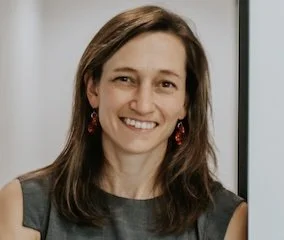
About
Pronouns: She/Her/Hers
Occupation and Specialty: Physician, Psychiatrist
Location (Clinic/hospital): Health Partners - Amery (Inpatient Psychiatry) and Olos Integrative Medicine
Location (City): Western WI (Hudson, Amery)
Offers Telehealth: Yes
Contact Information: Olos Integrative Medicine: https://drkathopkins.com/, info@olos.hush.com
Bio: I provide integrative and functional psychiatry services, including comprehensive diagnostic evaluation, medication management, deprescribing support, and ketamine assisted psychotherapy (KAP) with integration. I work with adults seeking trauma-informed, weight-inclusive, HAES-aligned care, with particular expertise in neuroimmune conditions, chronic illness, anxiety, depression, and treatment-resistant symptoms. I am a board-certified psychiatrist (DO, MPH) with advanced training in integrative medicine, functional approaches, and psychedelic-assisted therapy.
Approach to care
What does it look like for you to provide care to patients in larger bodies? How is, or isn’t, your approach different from how you care for patients in smaller bodies? If you work with children, how is or isn’t your approach different when working with children?
I love this question! My approach is the same across body sizes: I provide trauma-informed, weight-inclusive psychiatric care that avoids assumptions about a person’s health, habits, or psychiatric symptoms based on their size. For patients in larger bodies, I am mindful of the ways weight stigma and medical trauma can shape help-seeking, diagnostic experiences, and treatment outcomes. I focus on a person’s lived experience, physiology, environment, and goals rather than their weight.
I do not recommend weight loss as a psychiatric intervention, nor do I attribute symptoms to weight without thorough assessment. My care centers on autonomy, collaborative decision-making, and addressing underlying contributors to mental health concerns such as sleep, immune function, trauma, stress physiology, metabolic health, and medication effects - without pathologizing body size.
I do not currently work with children.
What is your perspective on how weight is or is not related to health?
I don’t assume that weight tells me anything meaningful about a person’s emotional or physical health. Weight is one aspect of a body—not a measure of health or character. Many people in larger bodies are metabolically healthy, and many people in smaller bodies are not. What matters more to me are the underlying drivers of health: trauma history, immune and inflammatory patterns, sleep, stress, access to care, relationships, and the impact of stigma. My focus is on creating a safe, non-judgmental space where all bodies are treated with respect and curiosity.
Finish this sentence: “Fat people are…”
Fat people are not a diagnosis. They are individuals with full, nuanced lives who deserve medical care free from assumptions, stigma, or prescriptive narratives about their bodies.
How do you, your clinic, and the healthcare system you work in use BMI (i.e BMI cutoffs for accessing certain services, BMI on charts and printouts, etc)? Is this flexible?
BMI appears in the EMR by default, but I do not use it to guide care or restrict access to services. My approach is flexible, weight-inclusive, and rooted in physiology rather than BMI categories. It is flexible.
If a patient declines to be weighed, how do you and/or your staff proceed?
I respect it and we don't make it a big deal.
If a patient declines to discuss weight loss, nutrition, and/or exercise, how do you proceed?
If someone doesn’t want to talk about weight loss, nutrition, or exercise, we don’t. I follow the patient’s lead. There are always many other entry points into understanding their mental health—sleep, trauma, stress response, nervous system patterns, medications, chronic illness, relationships, or environmental factors.
My job is not to convince someone to have a conversation they don’t want to have. My job is to create a space where they feel respected and met on their own terms.
Do you offer weight loss as a service, and if so, how much of your practice is this? What do you do if a patient requests your assistance with losing weight?
I don't. My work centers on physiology, trauma, sleep, immune function, stress patterns, and nervous-system health - not prescribing weight loss. If someone asks for help losing weight, I explore the underlying drivers: Are they seeking better energy? Reduced inflammation? A sense of agency? Freedom from shame? We address those targets directly, rather than focusing on weight as the solution.
What does the physical accessibility of your office space look like? What kinds of accommodations are present for people in larger bodies? Are there things you wish were in place that are currently not?
My office is on ground level and easy to access. I aim to make the space as comfortable as possible for people in all bodies, and I’m happy to adjust seating or furniture as needed. Just let us know what helps you feel at ease!
What do you do to allow fat people to feel comfortable and welcome in your office?
We aim to make our clinic space warm and inviting to all. I don’t comment on weight unless the patient brings it up, and I’m attentive to the impact of weight stigma on care. My approach is grounded in curiosity and respect, not assumptions. I want people in all bodies to feel like they can exhale here.
If you’d like to use this space to talk about any identities (gender, race, size, sexuality, etc.) you hold and how this relates to your care, please do so.
Profile last updated December 2025